
April 14, 2026

4 min to read
Out-of-This-World 4/20 Sale: Two Days, 53% Off 92+ Brands at Metro Cannabis
There’s a reason 4/20 stands out. It’s not just a date; it’s become a moment people actually look forward to...

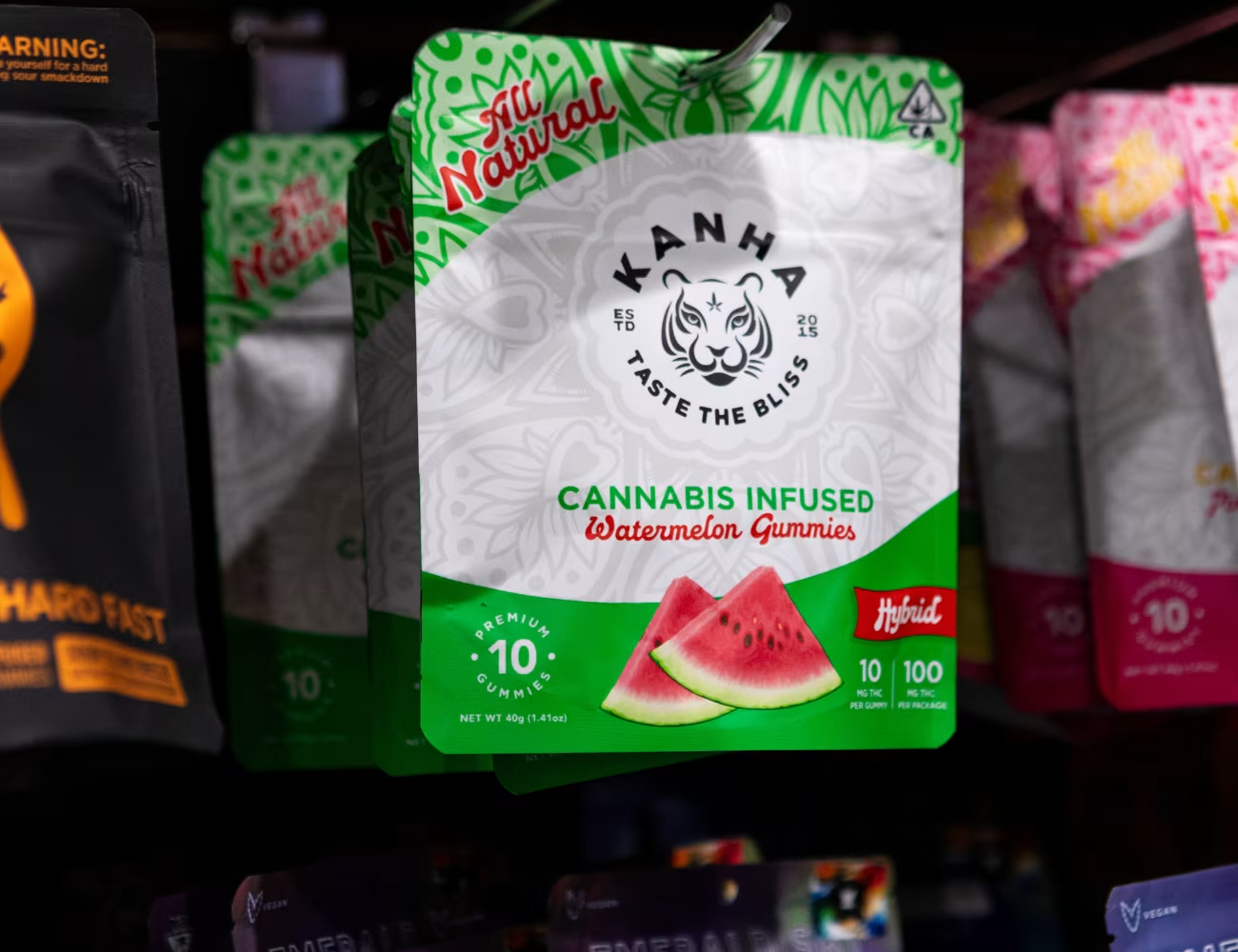
Edibles seem simple at first: grab a gummy, take a bite, wait for it to kick in.
But if you’ve ever had one feel way stronger (or weaker) than expected, you already know there’s more going on beneath the surface.
Understanding THC edibles isn’t about memorizing strict rules. It’s about matching the experience to your plan. Edibles don’t behave like smoking or vaping. They follow their own timeline, build differently, and tend to stick around longer once they settle in.
That’s not a bad thing. In fact, it’s what makes them such a popular choice. But it does mean a little awareness goes a long way.
Whether someone is browsing options at Metro Cannabis or just trying to better understand how edibles work, getting the basics down can make the whole experience smoother.
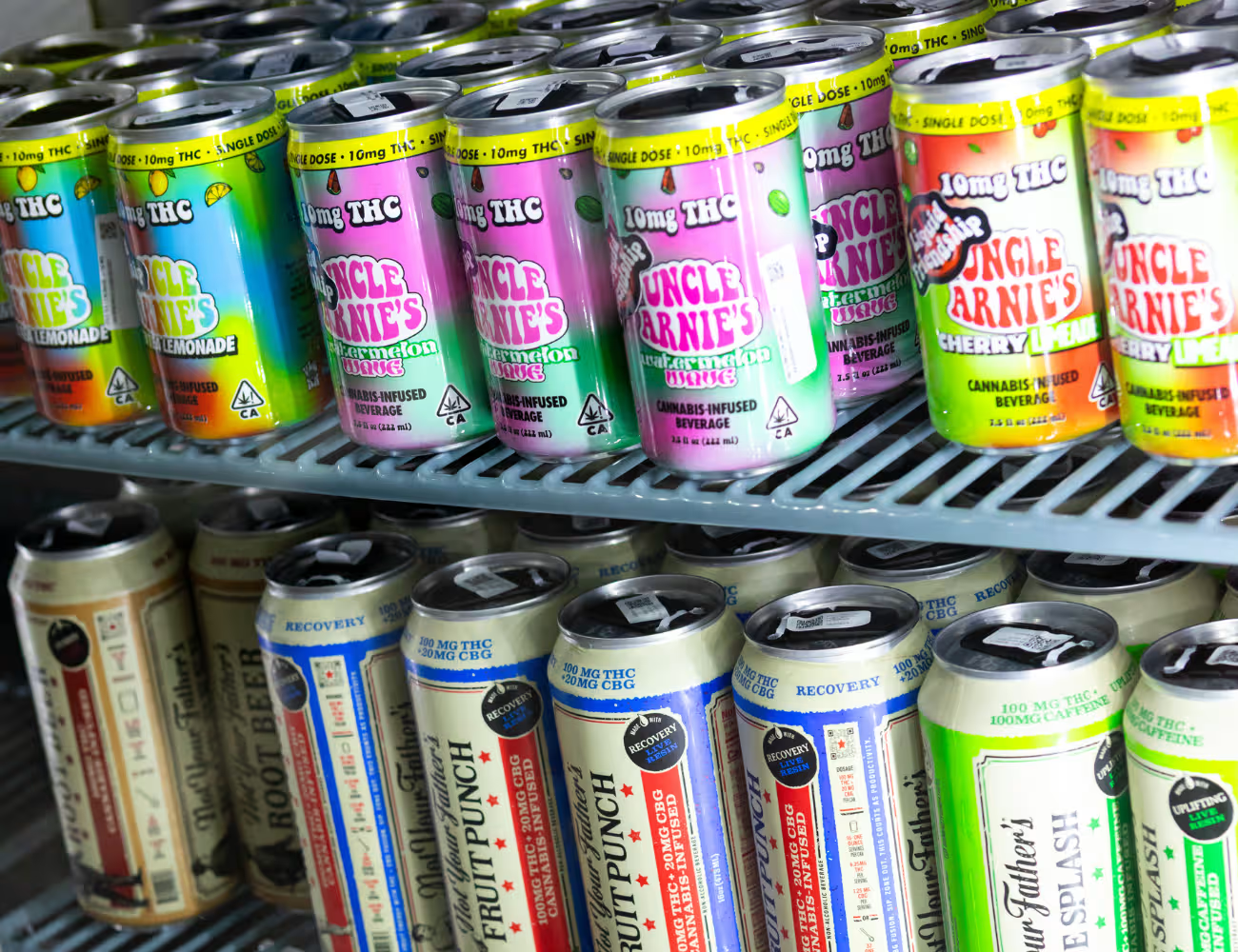
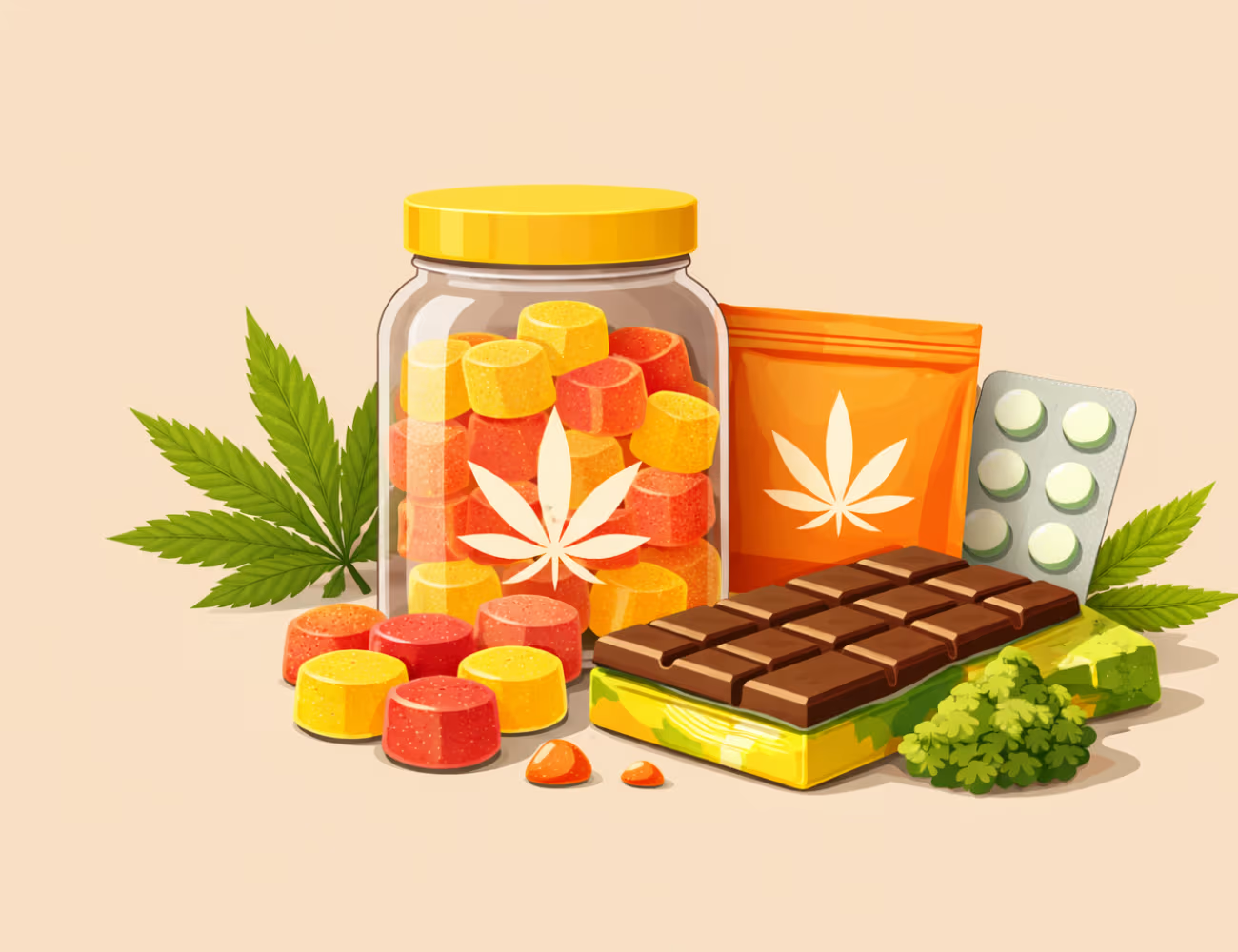
When someone reaches for a gummy, brownie, or THC-infused drink, they’re choosing a completely different type of experience than lighting flower or hitting a vape.
Instead of entering the bloodstream quickly, THC in edibles is processed through digestion. That one shift changes everything.
The effects take longer to show up, but they also tend to last longer and feel more full-bodied once they arrive. It’s less of an instant “on” and more of a gradual build that settles in over time.
That’s why portioning matters so much. Think of edibles less like flipping a switch and more like easing into a vibe; you just want to choose the right level for the moment.
Here’s something that often gets overlooked: raw cannabis doesn’t deliver the same experience as properly prepared cannabis.
In its natural state, cannabis contains cannabinoids like THCA and CBDA. On their own, they don’t create the effects most people expect from edibles. What changes that? Heat.
This process, called decarboxylation, activates those compounds, converting THCA into THC and CBDA into CBD. In simple terms, heat unlocks the part that actually does the work.
It’s also why adding raw cannabis to food doesn’t produce the same result as a properly infused edible. Without that activation step, the experience just isn’t there.
With commercial products, that process is already handled. Edibles found at licensed dispensaries like Metro Cannabis are made with activated cannabinoids, which is part of what makes the experience more predictable and consistent.
Behind every gummy, chocolate, or infused beverage, there’s a process that turns raw cannabis into something functional.
It typically starts with decarboxylation, followed by infusion. The activated cannabinoids are blended into a fat or oil, like butter or coconut oil, which becomes the base for a wide range of edible products.
That infused base is then used to create everything from baked goods to gummies to drinks.
Some products take a more modern approach and use purified cannabinoid extracts instead of traditional infusions. This allows for more precise dosing and greater consistency from one serving to the next.
That consistency is key. If you’ve ever wondered why a THC drink feels different from a gummy, or why timing and intensity can vary, it often comes down to how these products are made and absorbed.
When it comes to edibles, portioning is everything. Talk to your doctor and proceed with caution when trying edibles.
Because the effects take time to build, it’s easy to take more too soon. That’s usually where things go sideways. Not because of the product itself, but because of timing.
A better approach is to start smaller and give it time. Let the effects fully settle in before deciding if you want more. This makes the experience feel more controlled and easier to dial in.
It also helps to think about the setting. A smaller portion might be perfect for a casual hangout or a low-key evening, while a higher portion is better suited for when you can fully relax without distractions.
Over time, paying attention to what works (and what doesn’t) makes a big difference. Even something as simple as noting how much you took and how it felt can help you fine-tune future experiences.
And when browsing the menu at Metro Cannabis, having that awareness makes it much easier to choose products that actually fit what you’re looking for.
Edible packaging lists THC in milligrams, which is essentially how potency is measured.
Sensitivity can vary quite a bit depending on tolerance, body chemistry, and experience level. For those newer to edibles or easing into them, starting low and giving it time before taking more is a more measured approach.
And let’s be real, not everyone naturally thinks in milligrams. That’s completely normal.
A better way to approach it is by understanding how different ranges tend to feel and finding what works best for you over time.
THC per dose: 1–2.5mg
What to expect: Very subtle. Think background-level effects that don’t take over your day.
Formats to look for: Mints, low-dose gummies, precisely portioned tablets
Good for: Morning routines, staying productive, light creative work
This is the “barely there, but nice” range.
THC per dose: 2.5–5mg
What to expect: A noticeable but manageable shift. Light, easygoing, and generally comfortable for newer consumers.
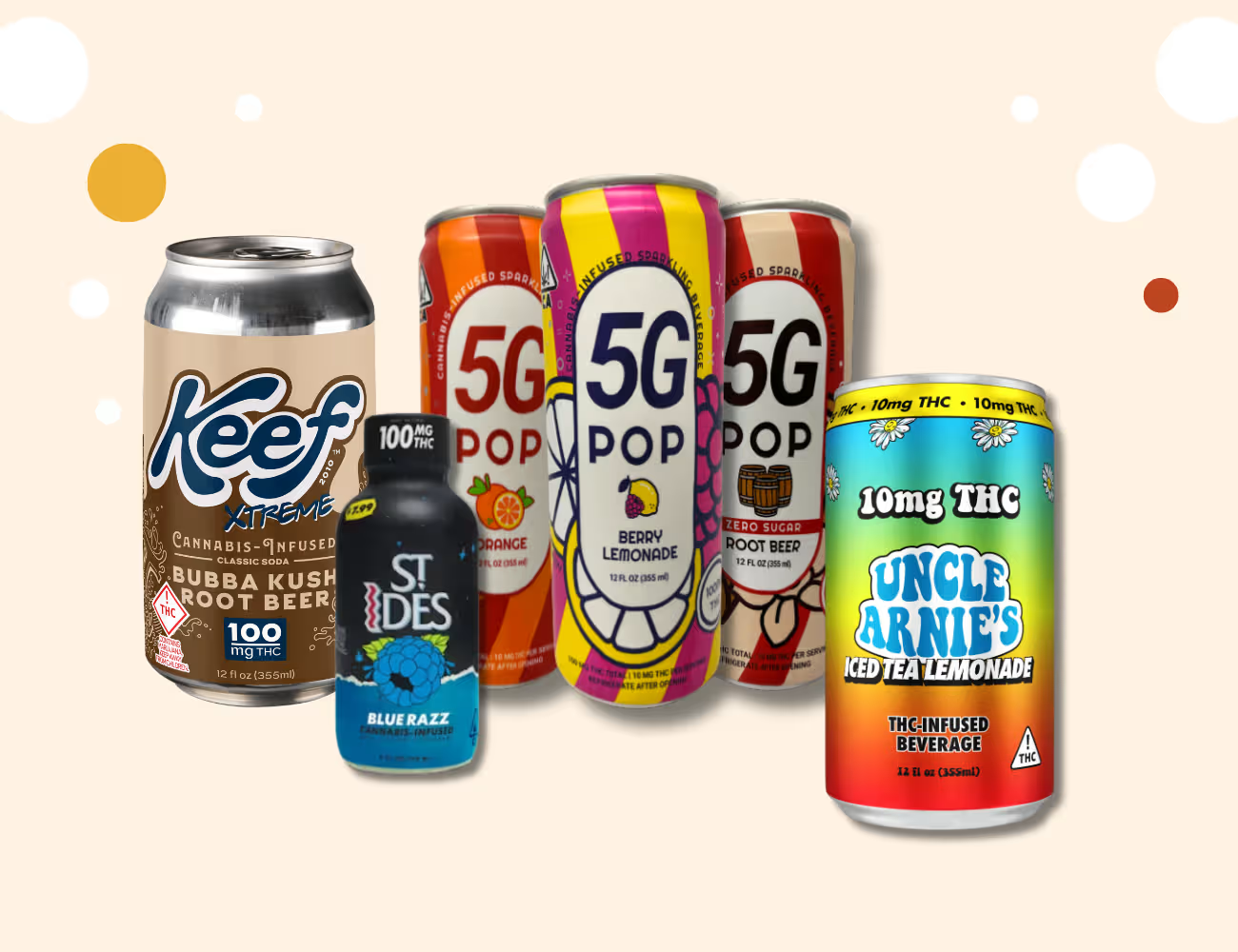
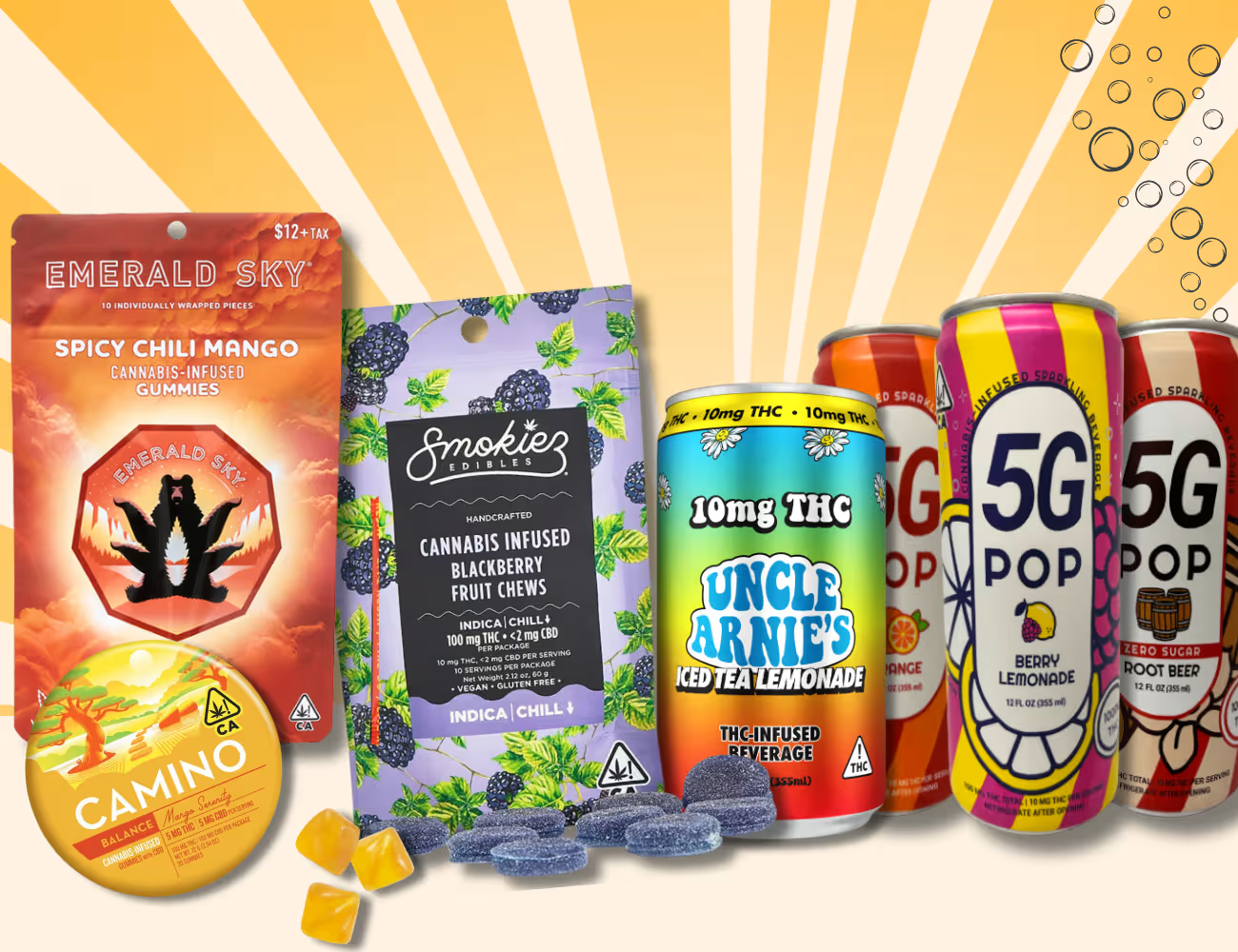
Formats to look for: Gummies, infused drinks, honey sticks
Good for: Social hangouts, walks, unwinding after work
This is where most people start to feel it without feeling overwhelmed.
THC per dose: 5–10mg
What to expect: More present and noticeable. This is where the experience starts to feel fuller and more immersive.
Formats to look for: Gummies, beverages, baked goods
Good for: Movie nights, relaxed evenings, low-key plans
For many people, this is the “sweet spot.”
THC per dose: 10–20mg
What to expect: Stronger, longer-lasting effects that are better suited for people who already know how edibles land for them.
Formats to look for: Chocolates, gummies, baked goods
Good for: Evenings with no plans, fully unplugging, settling into a slower pace
This is where experience starts to matter more.
THC per dose: 20mg+
What to expect: Intense and long-lasting. Not a starting point, and definitely not something to guess your way into.
Formats to look for: High-dose edibles, infused baked goods, concentrates in edible form
Good for: Consumers with established tolerance who know exactly what they’re aiming for
This range is all about intention.
There’s no universal “perfect dose.” Factors like body chemistry, metabolism, tolerance, and even whether you’ve eaten recently can all influence how an edible feels.
That’s why the goal isn’t to hit a specific number; it’s to learn what works for you.
Once you dial that in, edibles go from feeling uncertain to something you can actually plan around.
Edibles don’t have to feel unpredictable. They just require a slightly different approach.
They move slower, last longer, and tend to feel more immersive than other formats. Once you understand how they work, from heat activation to infusion to portioning, it becomes much easier to shape the experience to match your plans.
That’s really what it comes down to. Not just taking an edible, but knowing what kind of experience you’re stepping into. With the right portion, a little patience, and access to well-made products, edibles go from something uncertain to something you can actually dial in.
Disclaimer: the information provided in this document is for informational purposes only and is not intended as a substitute for professional medical advice, diagnosis, or treatment.
.avif)




.png)
.png)

.png)
.png)

.png)



%20%20(1).avif)


%20.png)

.avif)
.avif)
%20(4).avif)

.avif)
.avif)
.avif)

.avif)





%20(1).avif)


%20(4).png)

.avif)



.avif)