

April 14, 2026

4 min to read
Out-of-This-World 4/20 Sale: Two Days, 53% Off 92+ Brands at Metro Cannabis
There’s a reason 4/20 stands out. It’s not just a date; it’s become a moment people actually look forward to...

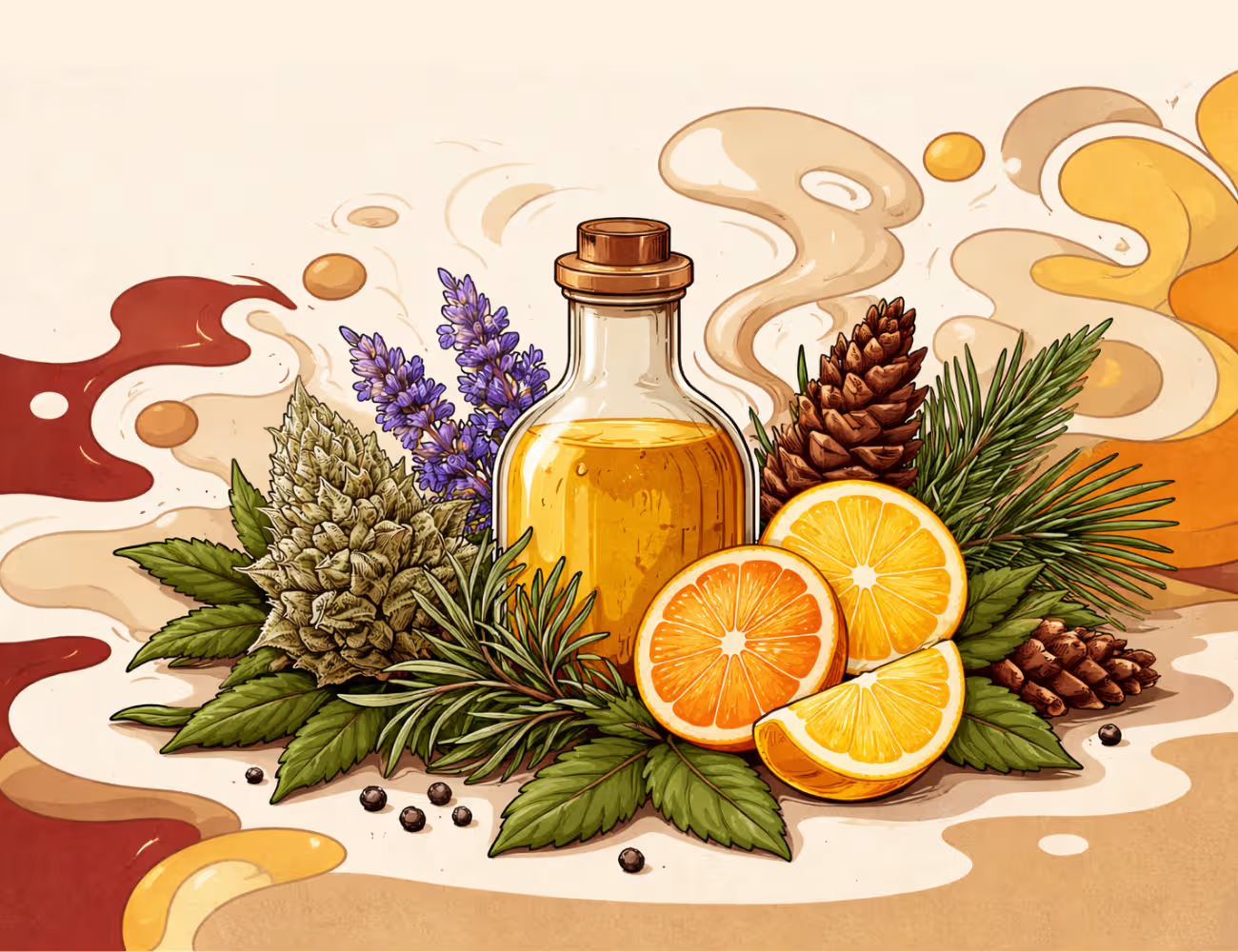
Have you ever opened a jar of cannabis and immediately noticed a burst of citrus, pine, or something sweet and funky before you even thought about potency? That’s not an accident. That aroma is your first introduction to terpenes, and they play a much bigger role in your cannabis experience than most people realize.
This guide breaks down terpenes - what they are, where they come from, and how they shape flavor, aroma, and overall vibe. By the end, you’ll be shopping smarter, sniffing with purpose, and choosing cannabis that fits your lifestyle a whole lot better.
Terpenes are natural aromatic compounds found in many plants. They’re what give lemons their citrusy zing, pine trees their crisp scent, and lavender its calming aroma. Cannabis just happens to be especially rich in them.
In cannabis, terpenes are responsible for:
They’re produced in the same tiny resin glands that contain cannabinoids, and they work together with those compounds to shape the overall experience.
Think of cannabinoids as the engine and terpenes as the steering wheel. Both matter for how the ride feels.
Two cannabis products can have similar potency levels and still feel totally different. Terpenes are often the reason why.
Terpenes influence:
That’s why people often say things like, “This one feels more uplifting,” or “That strain feels heavier,” even when the labels look similar.
While cannabis contains dozens of terpenes, a handful show up most often. Here’s a friendly breakdown of some common ones and how people usually describe them without getting clinical.
Limonene-rich strains often smell like fresh citrus and are popular for daytime or social moments.
Myrcene is one of the most common cannabis terpenes and is often associated with classic “herbal” strain aromas.
If a strain reminds you of a walk through the woods, pinene is likely part of the mix.
This terpene adds depth and spice to a strain’s aroma and is often found in richer, more savory profiles.
Linalool is less common but stands out with its delicate, floral scent.
Flavor isn’t just about enjoyment, it’s information. Terpenes give you clues about how a strain might feel before you ever try it.
For example:
Trusting your nose can be just as helpful as reading a label.
Strain names can be helpful, but they don’t always tell the full story. The same strain name can smell and feel different depending on how it was grown, harvested, and processed.
Terpenes provide a more consistent way to understand what you’re getting because they focus on the actual compounds present in the product and not just the name on the jar.
That’s why many experienced shoppers look at terpene profiles first and strain names second.
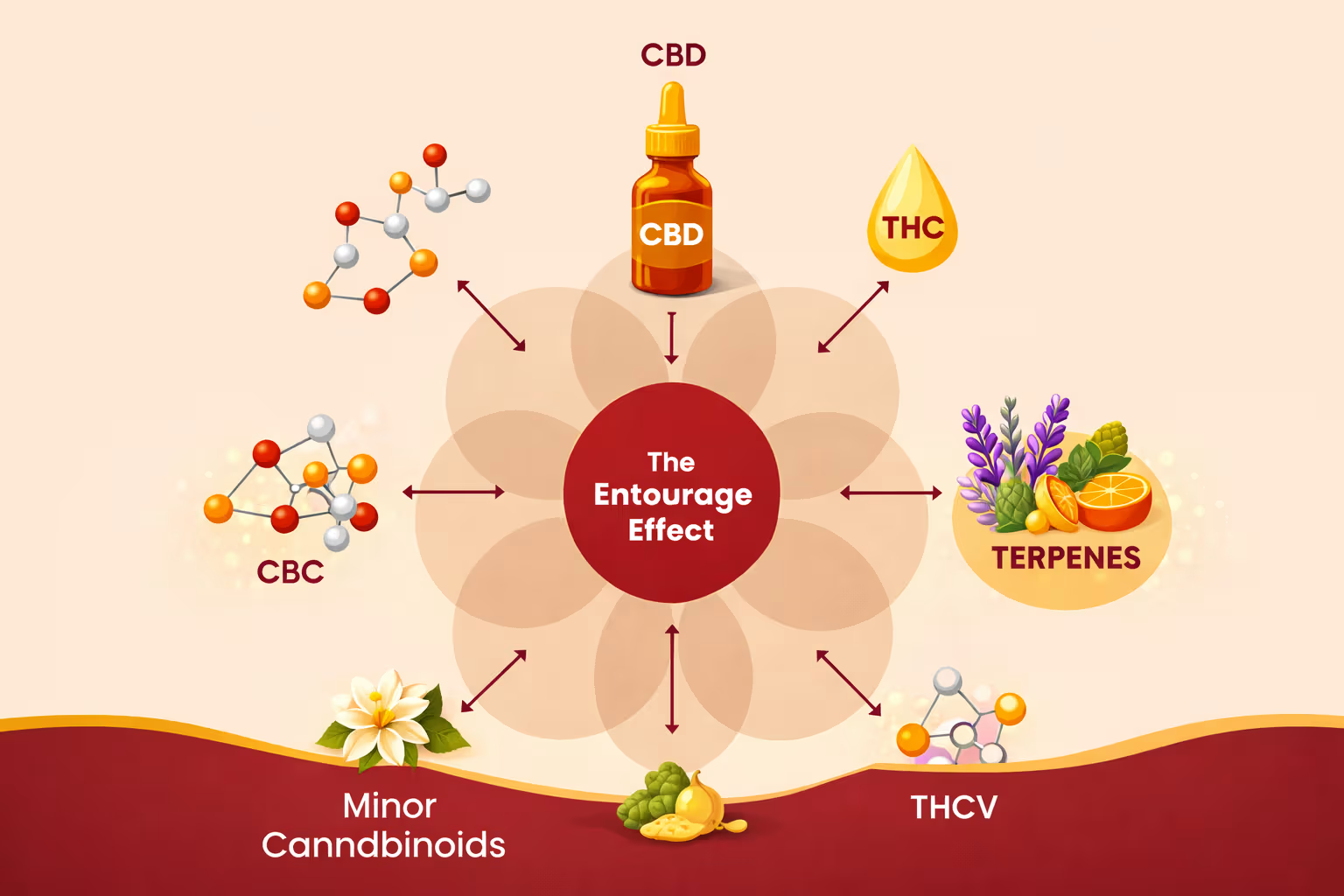
Terpenes don’t act alone. They interact with cannabinoids and other plant compounds to shape the overall experience, a concept often referred to as the entourage effect.
In everyday terms, this means:
Once you start paying attention to terpenes, shopping becomes more intuitive.
Here’s how to use terpene knowledge in real life:
Over time, patterns start to emerge, and choosing cannabis feels less like guesswork.
Terpenes are one of the most overlooked and most helpful parts of the cannabis plant. They add flavor, personality, and nuance to every product, helping explain why cannabis feels as unique as it does.
When you start shopping with terpenes in mind, cannabis becomes less about chasing labels and more about choosing experiences that actually fit your lifestyle.
Ready to shop by smell and vibe instead of just numbers? Stop by Metro Cannabis Dispensary and chat with a friendly budtender who can help you explore terpene-rich cannabis options that match exactly what you’re looking for
Disclaimer: the information provided in this document is for informational purposes only and is not intended as a substitute for professional medical advice, diagnosis, or treatment.
.avif)








.png)
.png)

.png)
.png)

.png)



%20%20(1).avif)


%20.png)





.avif)
.avif)
%20(4).avif)

.avif)
.avif)
.avif)




.avif)










%20(1).avif)


%20(4).png)

.avif)



.avif)