
April 14, 2026

4 min to read
Out-of-This-World 4/20 Sale: Two Days, 53% Off 92+ Brands at Metro Cannabis
There’s a reason 4/20 stands out. It’s not just a date; it’s become a moment people actually look forward to...

If you’ve ever tried two cannabis products with similar numbers on the label and thought, “Why do these feel totally different?” Congratulations, you’ve already brushed up against the idea behind the entourage effect.
Today, cannabis menus are packed with more information than ever: cannabinoids, terpenes, strain names, flavor notes, and lab results galore. It can feel a little overwhelming at first, especially if you’re just trying to find something that fits your vibe. The entourage effect helps explain why cannabis isn’t just about one compound or one number. It’s about how everything works together.
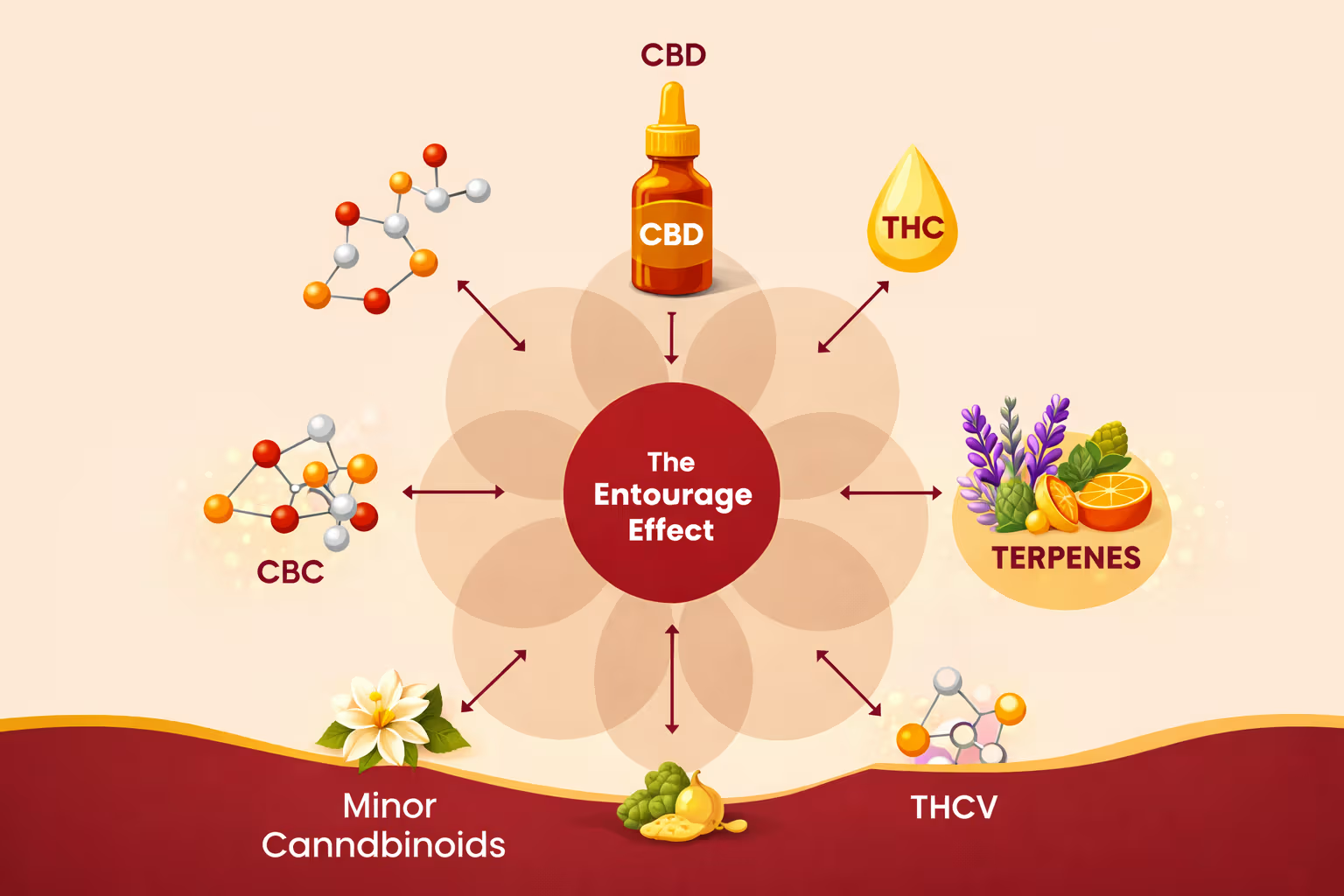
The entourage effect is the idea that cannabis compounds work better together than they do alone. Instead of one single ingredient creating the entire experience, it’s the combination of cannabinoids, terpenes, and other natural compounds that shapes how a product feels.
Think of cannabis like a band. One instrument can sound good on its own, but when drums, bass, guitar, and vocals all come together, the song hits differently. The entourage effect is that full-band moment.
To understand the entourage effect, it helps to know who’s involved. Cannabis is a complex plant made up of hundreds of naturally occurring compounds, but a few groups get most of the attention.
Cannabinoids are the most talked-about compounds in cannabis. THC and CBD are the best-known, but there are many others like CBG, CBN, and CBC. Each cannabinoid has its own characteristics. Instead of acting in isolation, cannabinoids interact with each other in subtle ways that can influence how a product feels from start to finish.
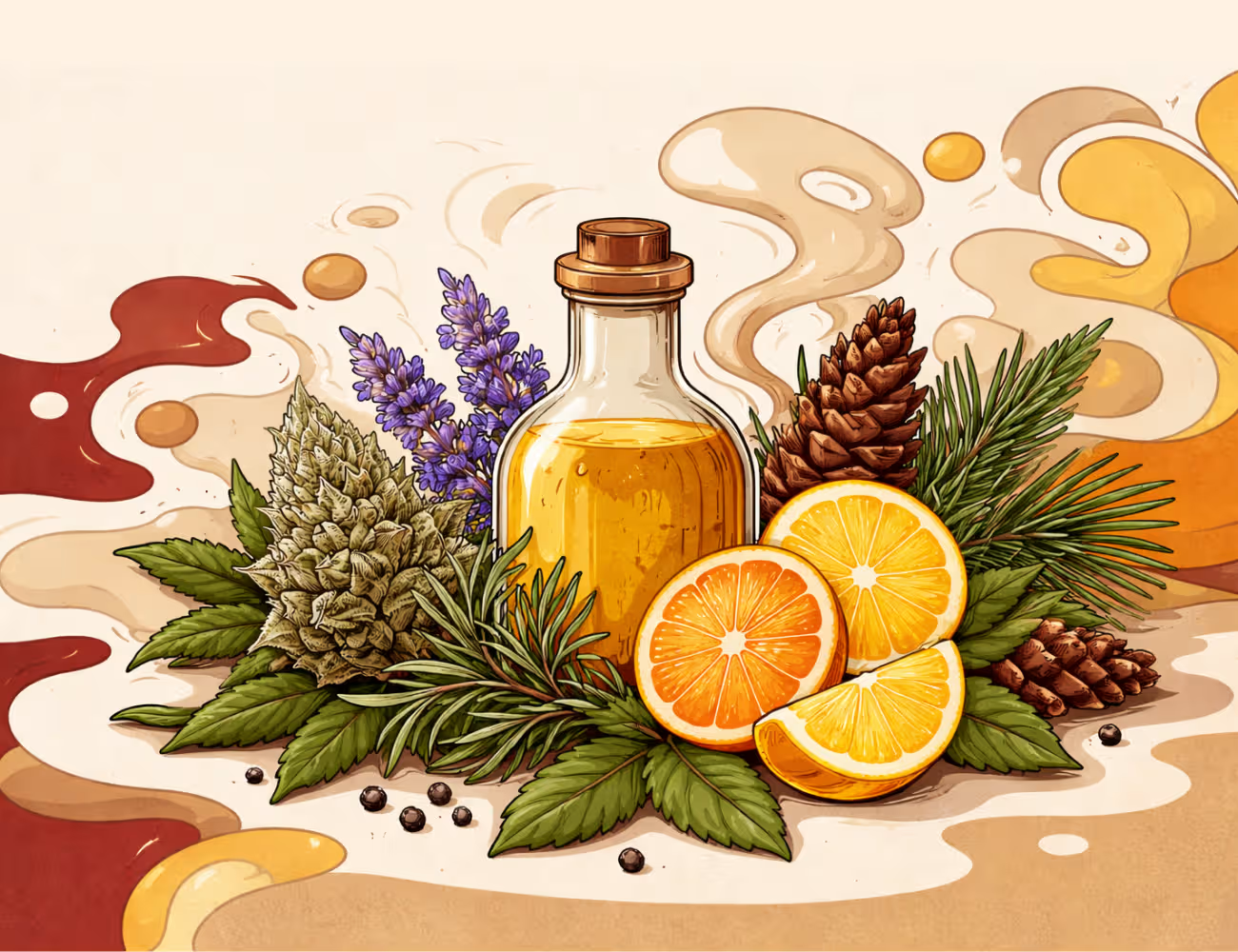
Terpenes are aromatic compounds found in cannabis and in many other plants like citrus, pine, lavender, and herbs. They’re responsible for the smell and flavor of different strains, but they also play a role in shaping the overall vibe.
Some terpenes are often described as bright or energizing, while others are associated with calm or cozy sensations. When combined with cannabinoids, terpenes help guide the character of the experience.
Beyond cannabinoids and terpenes, cannabis contains flavonoids and other plant compounds that contribute to color, aroma, and nuance. They don’t usually get top billing, but they help round out the final product.
Just like a movie needs more than a lead actor, cannabis benefits from its full supporting cast.
One of the biggest misconceptions in cannabis shopping is that higher numbers automatically mean a better experience. The entourage effect helps explain why that’s not always true.
Two products can have similar potency levels and still feel completely different because:
A product with a well-rounded mix of compounds may feel more enjoyable and consistent than one that focuses on a single element.
You’ll often hear terms like full-spectrum, broad-spectrum, or distillate when shopping for cannabis. These labels connect directly to the entourage effect.
Full-spectrum options aim to preserve a wide range of the plant’s natural compounds. Many people seek these out specifically because they want that “everything working together” feeling.
Some products focus on a narrower selection of compounds. While these can be consistent and predictable, they may feel different from full-spectrum options because fewer components are involved.
The entourage effect isn’t just a theory. It’s something people notice all the time, even if they don’t have a name for it.
You might hear someone say:
Those differences often come down to how cannabinoids and terpenes are working together behind the scenes.
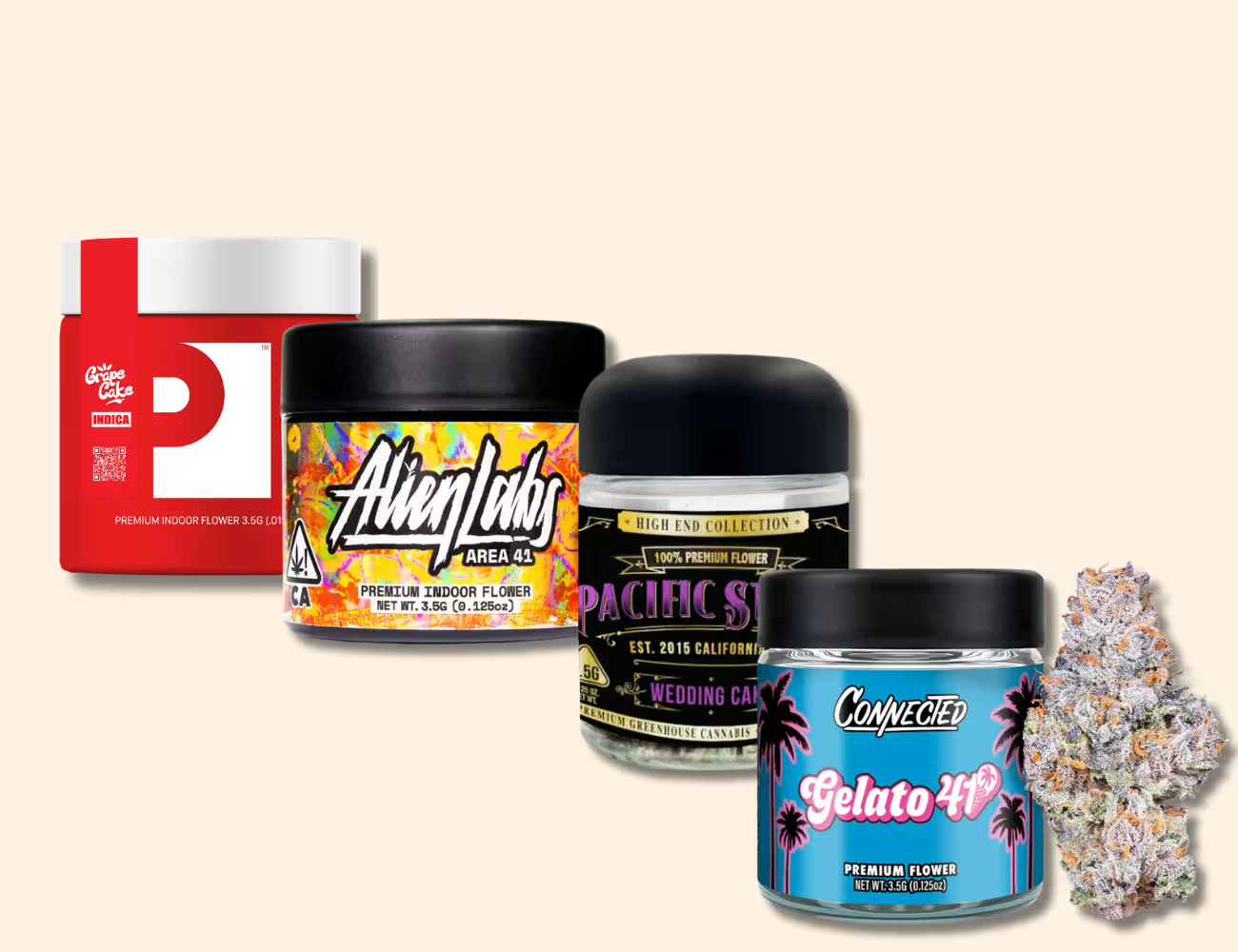
Strain names can be helpful starting points, but they don’t always guarantee a specific experience. The same strain name can show up with different terpene profiles depending on how it was grown and processed.
Understanding the entourage effect encourages shoppers to look beyond the name and pay attention to:
That’s why two versions of the “same” strain can feel surprisingly different.
Once you understand the entourage effect, cannabis shopping becomes less about chasing trends and more about making intentional choices.
Here are a few helpful tips:
Over time, you’ll start to recognize patterns in what you enjoy and why.
The entourage effect reminds us that cannabis works best as a whole plant experience. Cannabinoids, terpenes, and other compounds all play a role in shaping how a product feels and that teamwork is what makes cannabis so unique.
When you stop focusing on just one number and start looking at the full picture, you open the door to more consistent, intentional, and satisfying experiences.
Curious to explore cannabis beyond the label? Stop by Metro Cannabis Dispensary and chat with our friendly budtenders who can help you find products with terpene and cannabinoid profiles that match your vibe.
Disclaimer: the information provided in this document is for informational purposes only and is not intended as a substitute for professional medical advice, diagnosis, or treatment.
.avif)



.png)
.png)

.png)
.png)

.png)



%20%20(1).avif)

%20.png)



.avif)
.avif)
%20(4).avif)

.avif)
.avif)
.avif)


.avif)





%20(1).avif)


%20(4).png)

.avif)



.avif)