
April 14, 2026

4 min to read
Out-of-This-World 4/20 Sale: Two Days, 53% Off 92+ Brands at Metro Cannabis
There’s a reason 4/20 stands out. It’s not just a date; it’s become a moment people actually look forward to...

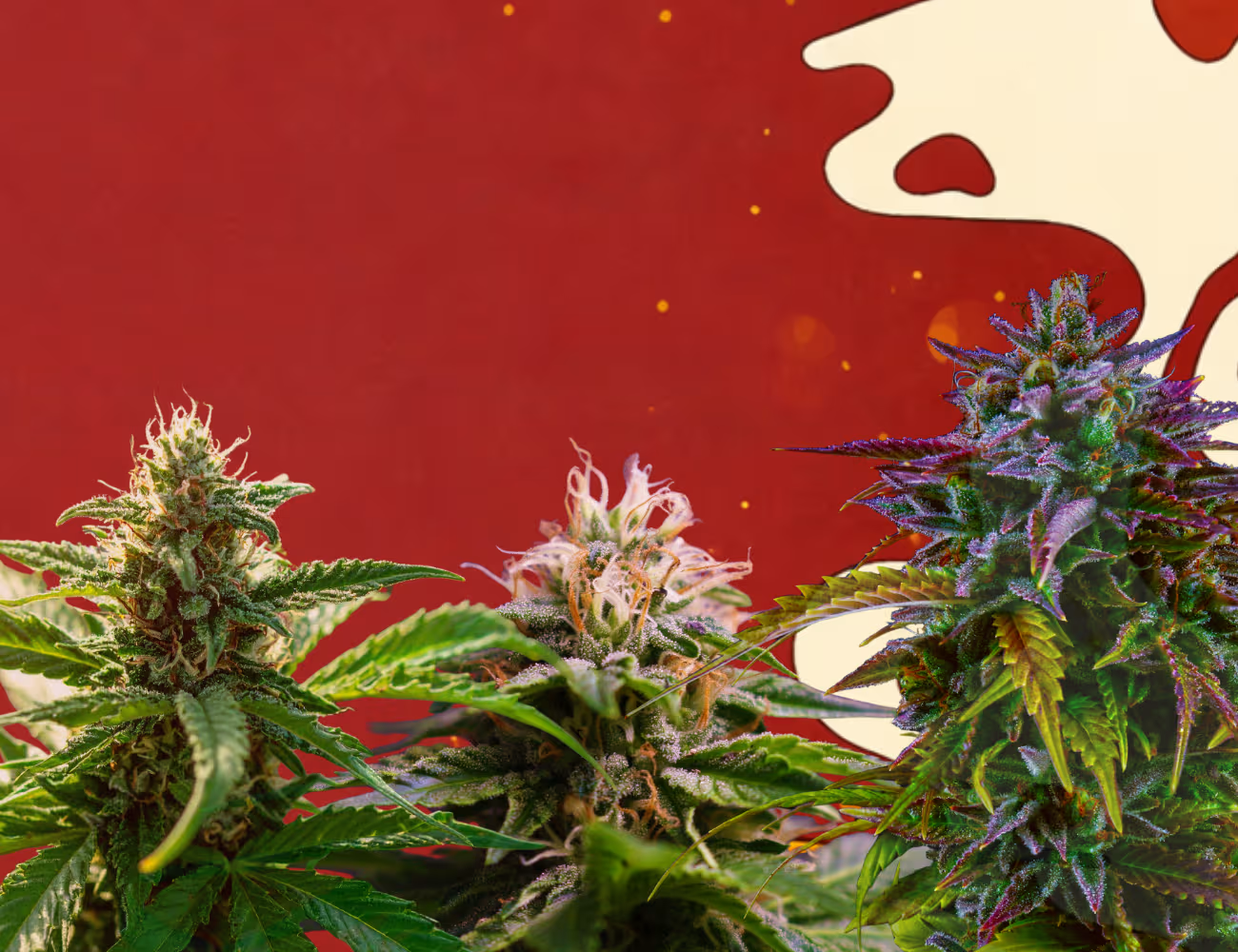
Creativity doesn’t always show up on command. Some days the ideas flow effortlessly. Other days, you’re staring at a blank page, a half-finished playlist, or an untouched canvas wondering where the spark went. That’s why so many people bring cannabis into their creative routine; not to force inspiration, but to help shift perspective and set the mood.
A common question among creative-minded cannabis consumers is, “What works best for getting into a creative headspace?” The truth is, there’s no universal answer. Different strains tend to influence mindset in different ways, and understanding how cannabis and creativity interact can help you choose experiences that actually support your flow instead of interrupting it.
This guide explores how different strain styles often affect mindset, how to pair cannabis with creative activities, and how to approach cannabis thoughtfully when you’re creating art, music, writing, or simply trying to generate fresh ideas.
Creativity is about perspective. It’s the ability to connect ideas, explore possibilities, and approach familiar things from new angles. Cannabis doesn’t magically create creativity, but many people find it helps them change gears, quiet mental noise, or view ideas through a slightly different lens.
For some, cannabis makes it easier to tune out distractions. For others, it encourages curiosity or playfulness. The key is finding strains and formats that complement how you like to create.
When it comes to creativity, stronger isn’t always better. In fact, many people prefer lighter, more balanced experiences when they want to stay engaged and productive.
That’s something often reflected in conversations happening at places like Metro Cannabis Dispensary, where shoppers regularly ask about products that support a creative headspace rather than overpower it.
Creative sessions tend to pair best with cannabis that feels:
• Clear rather than overwhelming
• Inspiring rather than distracting
• Supportive rather than dominating
This is where thoughtful strain selection, pacing, and intention really come into play, helping cannabis complement the creative process instead of competing with it.
Some strains are commonly described as uplifting, bright, or energetic. These are popular choices for the early stages of creativity when ideas are flowing freely and nothing is off the table.
While experiences vary from person to person, these strain styles are often associated with a sense of curiosity and creative exploration, helping ideas branch out in unexpected directions and supporting an upbeat, engaged way of thinking. Because of this, they’re commonly chosen for early-stage creative activities like writing outlines, mapping out ideas, collaborating in group creativity sessions, or discovering new music.
A longtime favorite in the uplifting category, Super Silver Haze by Glass House Farm is often mentioned when people talk about classic sativa-style energy with a creative edge.
Quick strain snapshot:
Commonly reported vibes:
Flavor notes:
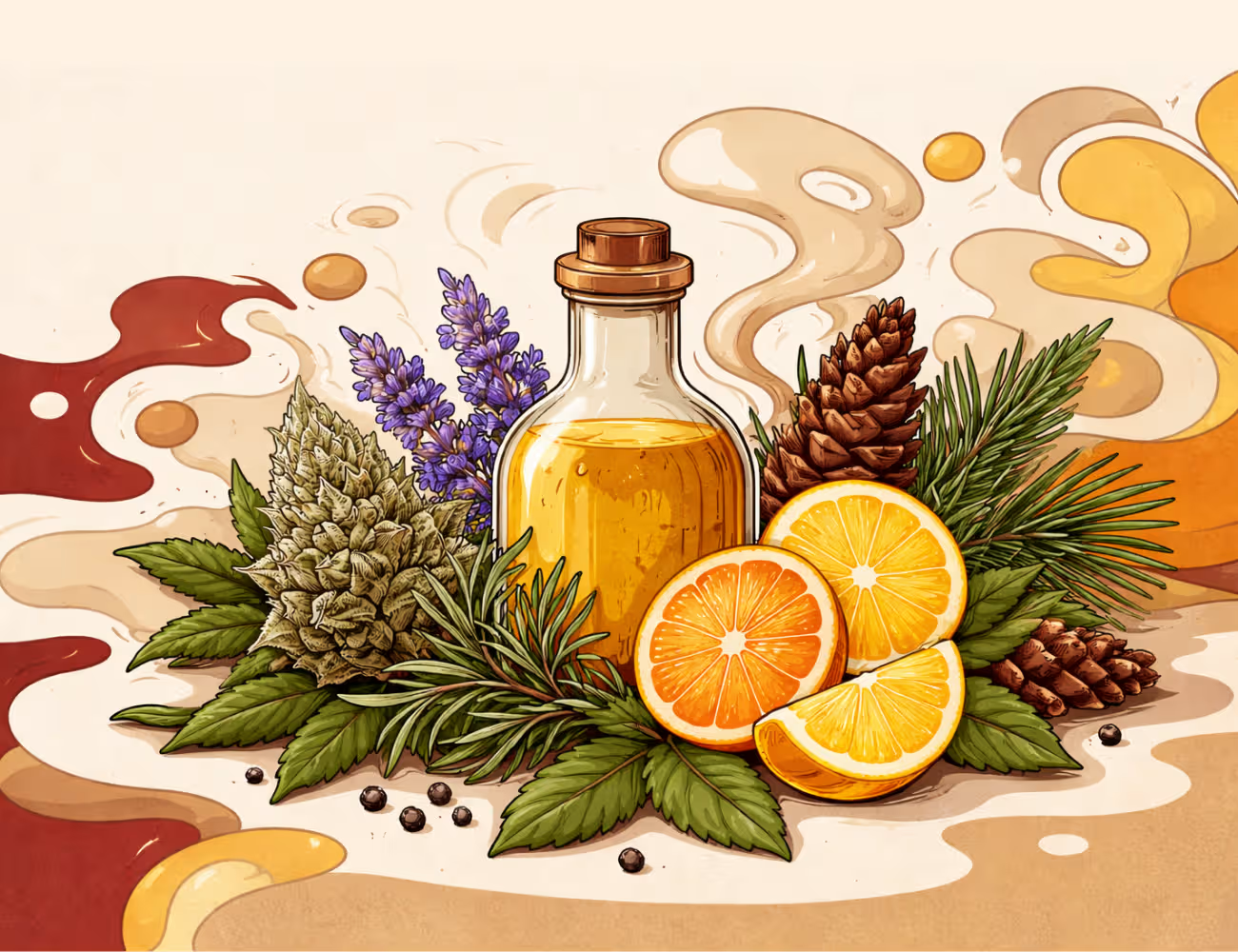
Sage, menthol, wet earth, with hints of citrus and spice.
Often paired with:
Super Silver Haze has built a reputation over decades for delivering an energetic, uplifting mental experience while still feeling smooth and balanced. Many people describe it as mentally stimulating without feeling chaotic - making it a popular pick for creative sessions that involve writing, journaling, cooking, or diving into new ideas.
When it’s time to turn ideas into something tangible, many creators gravitate toward strain styles that feel even, steady, and grounded. While experiences can vary from person to person, balanced strains are often described as supporting focus without pushing energy too far in either direction, making them a popular choice for hands-on creative work.
These strains tend to be associated with a centered, consistent mindset that makes it easier to stay on task and follow ideas through. Many people report less mental bouncing between concepts, which can help maintain momentum and settle into a productive creative rhythm.
Hash Burger by Coastal Sun is often mentioned as a balanced hybrid option for those looking to ease into focused creative sessions while still feeling relaxed and grounded.
Quick strain snapshot:
Flavor & aroma notes:
Piney herbal fuel layered with subtle spice and a cheesy, nutty funk.
Hash Burger is commonly described as starting with a mildly uplifting mental effect before settling into a more relaxed, body-forward experience. For some people, that balance can feel comforting and steady - helpful when focusing on creative tasks that require follow-through rather than rapid idea generation.
Often paired with:
As with most balanced strains, starting small allows you to see how it fits your personal creative process and pacing.
Some creative sessions aren’t about productivity or structure, they’re about slowing down, tuning inward, and exploring ideas without pressure. While experiences can vary from person to person, relaxed strain styles are often chosen when the goal is expression rather than execution. These strains are commonly associated with a more loose intuitive headspace that allows creativity to unfold naturally.
Many people describe these strains as soothing. That relaxed mindset can make it easier to experiment freely, enjoy the process, and create without worrying too much about outcomes or perfection.
Platinum OG from West Coast Trading Company is often mentioned as a classic indica option for winding down into slower, more immersive creative moments.
Quick strain snapshot:
Flavor & aroma notes:
Pungent earthy pine layered with diesel, subtle spice, and hints of citrus, finishing with a smooth, kush-forward profile.
Platinum OG is commonly described as delivering a fast-onset sense of calm that settles into deep physical relaxation. For some people, that heavy, grounded feeling can be ideal for creative activities that benefit from slowing down, letting go of structure, and following intuition rather than a plan.
Often paired with:
Because relaxed strain styles can feel immersive, many people prefer them for evening creative sessions or unstructured art time where the process itself is the focus.
The way cannabis is enjoyed can matter just as much as strain style during creative sessions. Different formats offer different pacing and experiences, which can influence how long you stay engaged and how your creative mindset evolves.
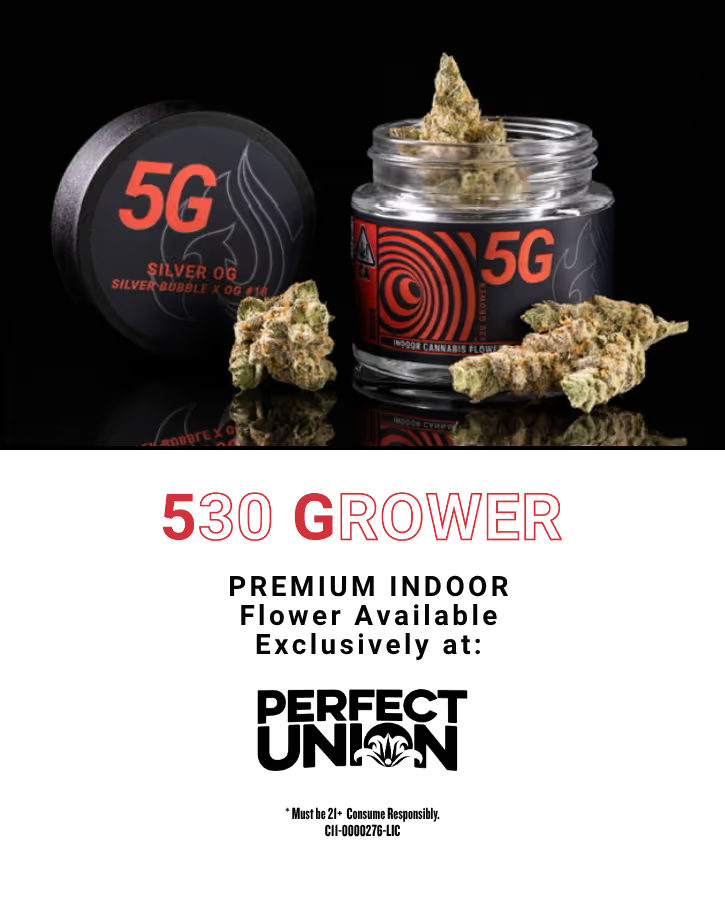
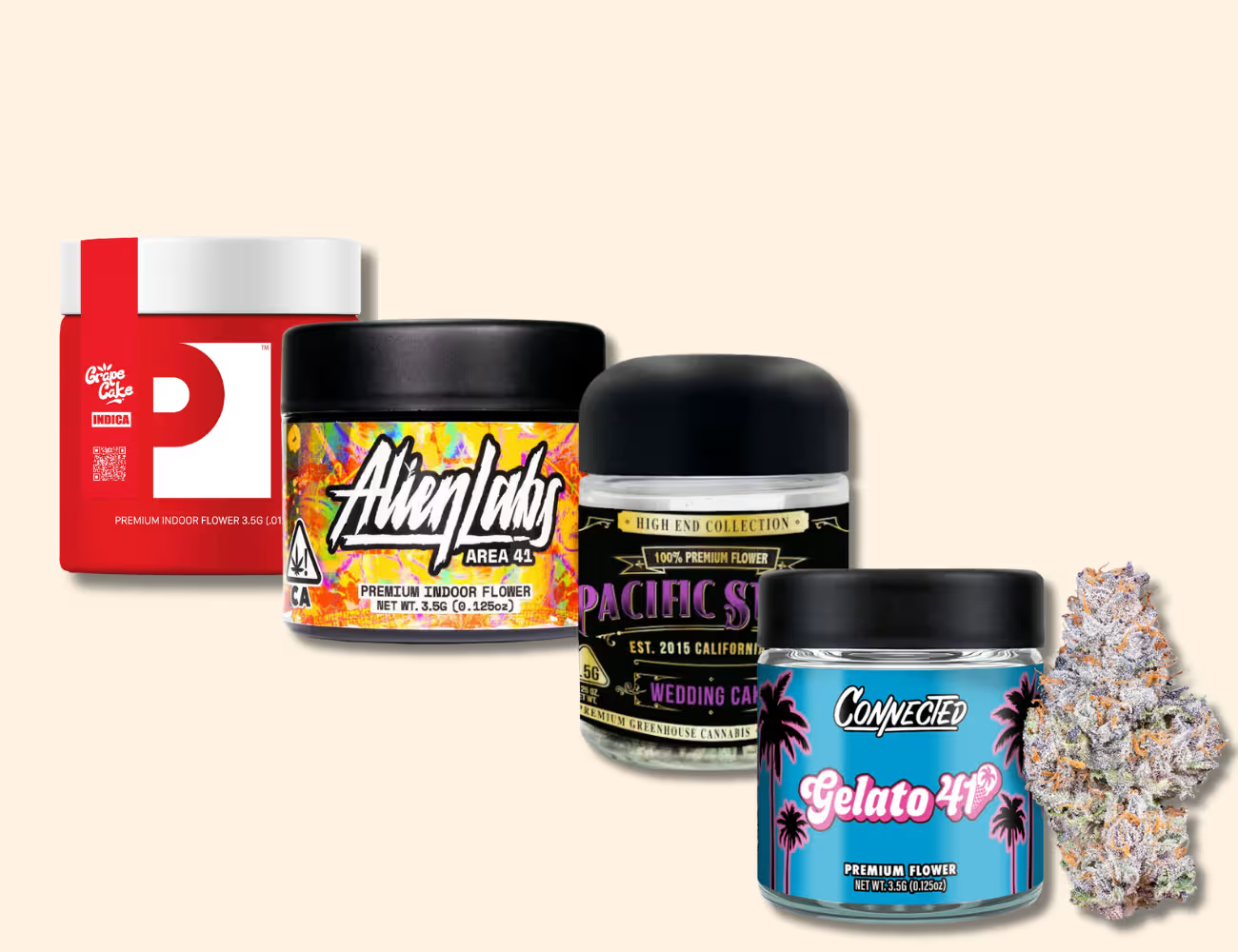
Flower and pre-rolls are often chosen for their flexibility and familiarity. They make it easy to start small, take intentional breaks, and adjust along the way. Pre-rolls, in particular, are convenient for casual creative sessions where setup and simplicity matter.
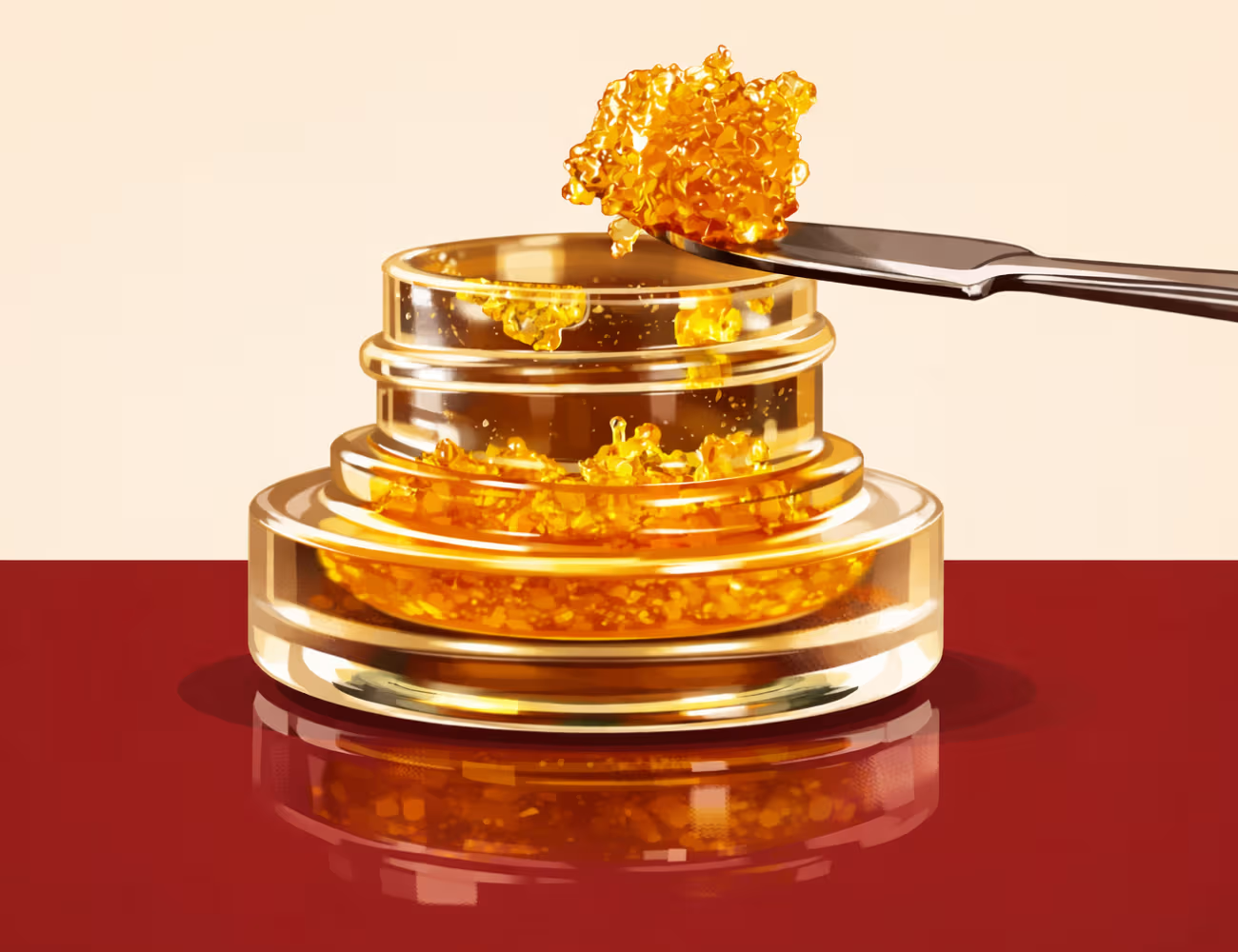
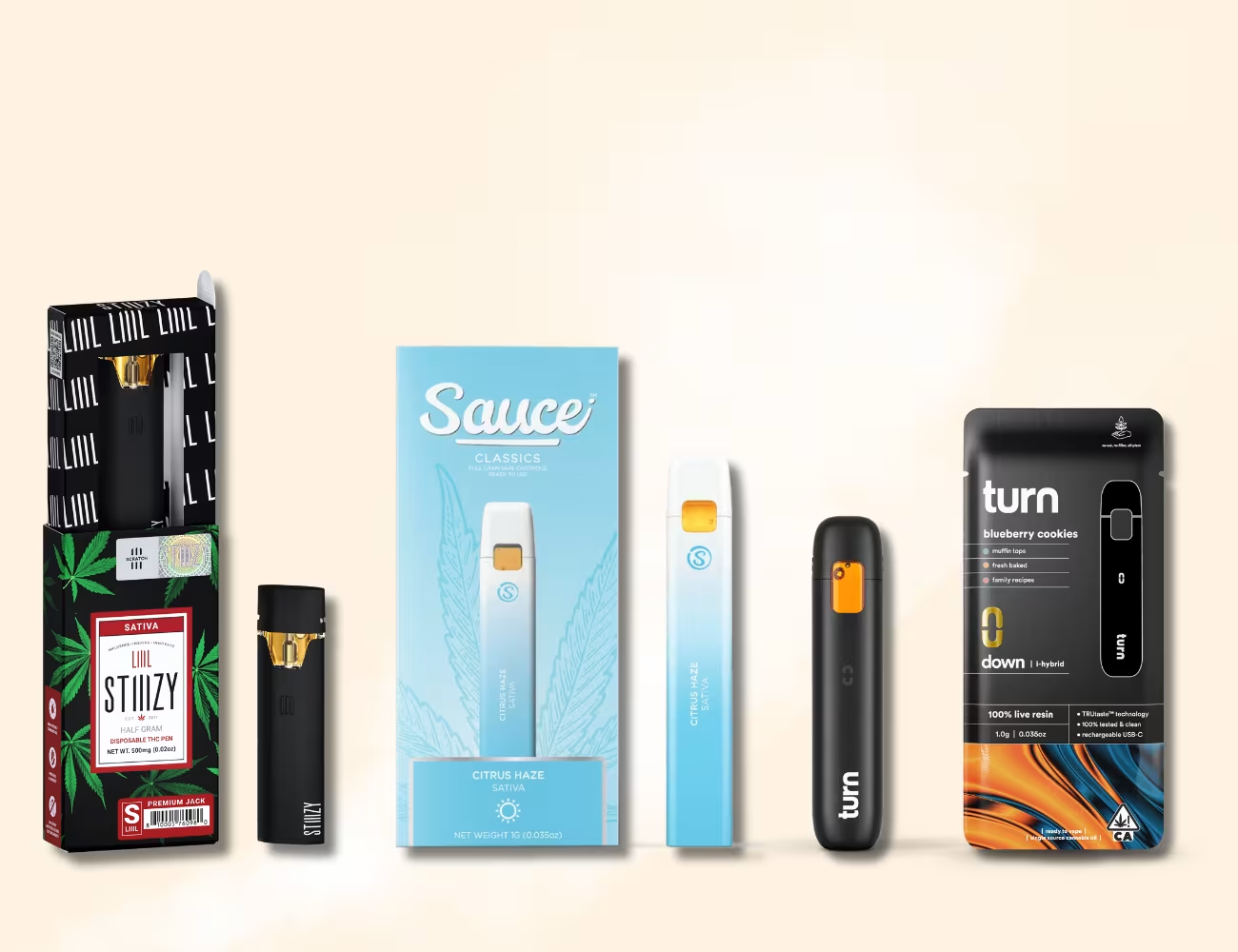
Vapes and rosin are commonly selected for their immediacy and clarity. Many people appreciate how quickly they can feel the effects, allowing them to fine-tune timing and pacing. Rosin is often favored by those who enjoy a more flavor-forward experience during creative work.
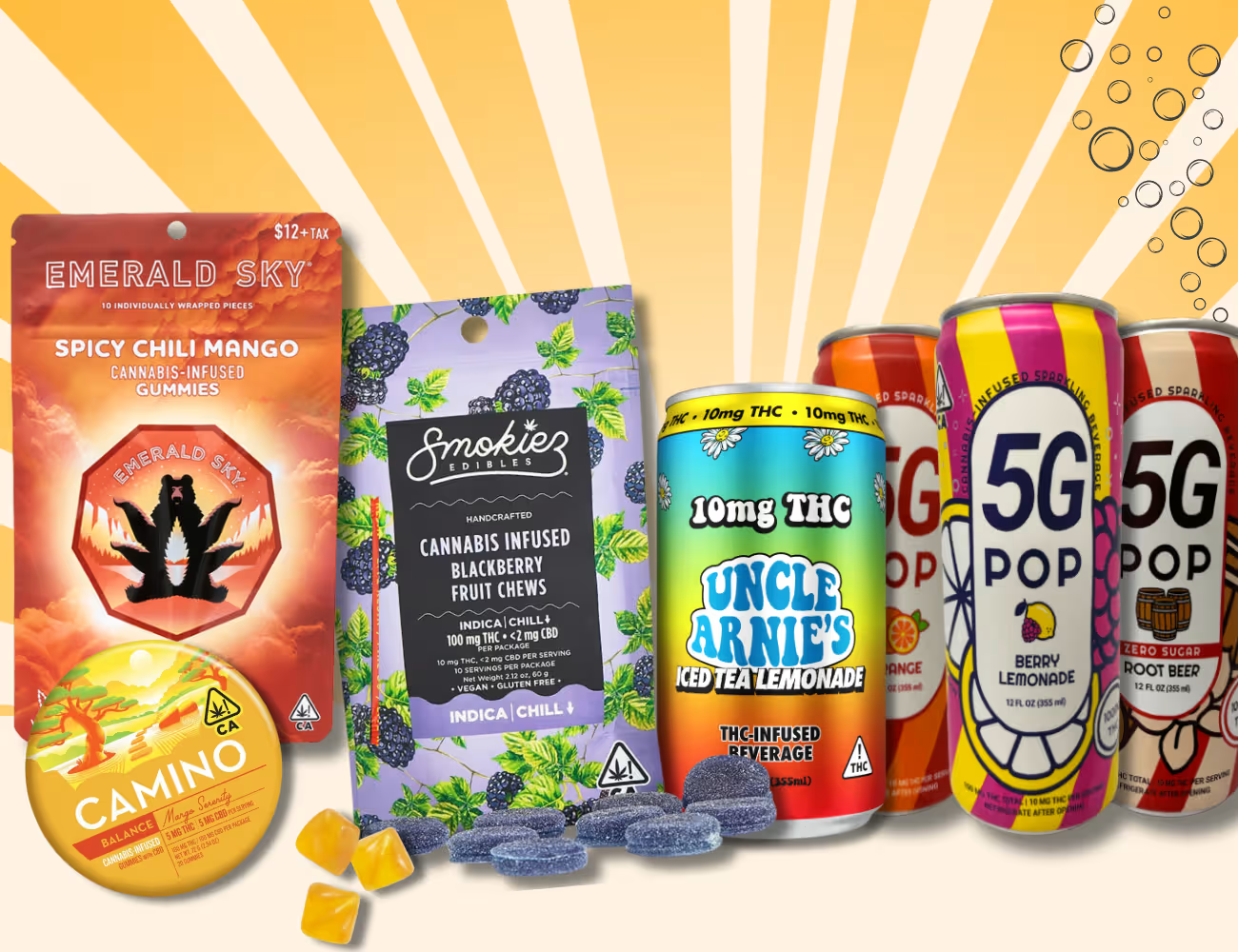
Low-dose edibles are popular for longer creative sessions where a steady, consistent experience is preferred. Because they tend to last longer, they’re often chosen for extended projects that benefit from fewer interruptions and a more even rhythm.
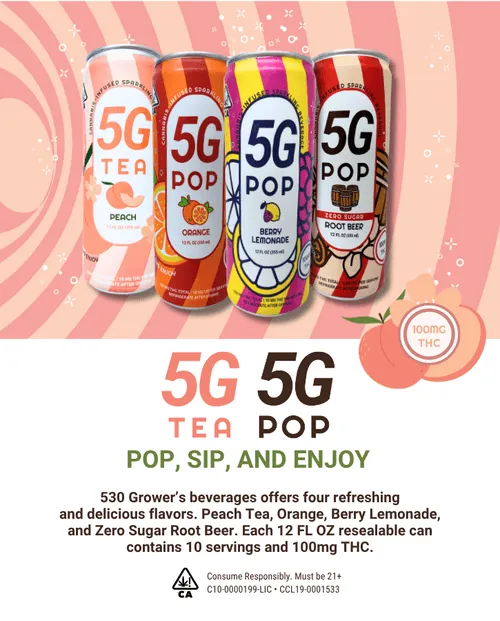
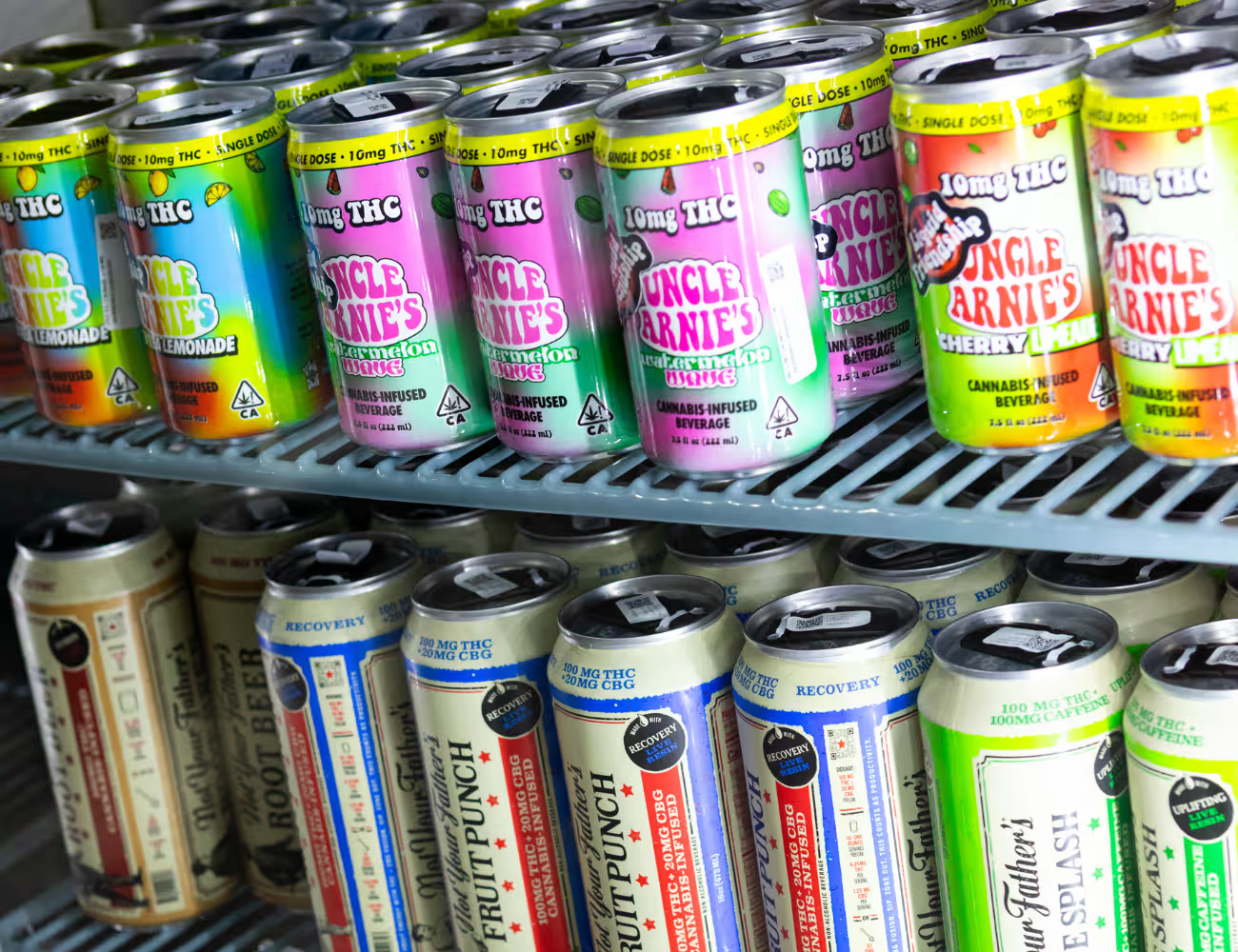
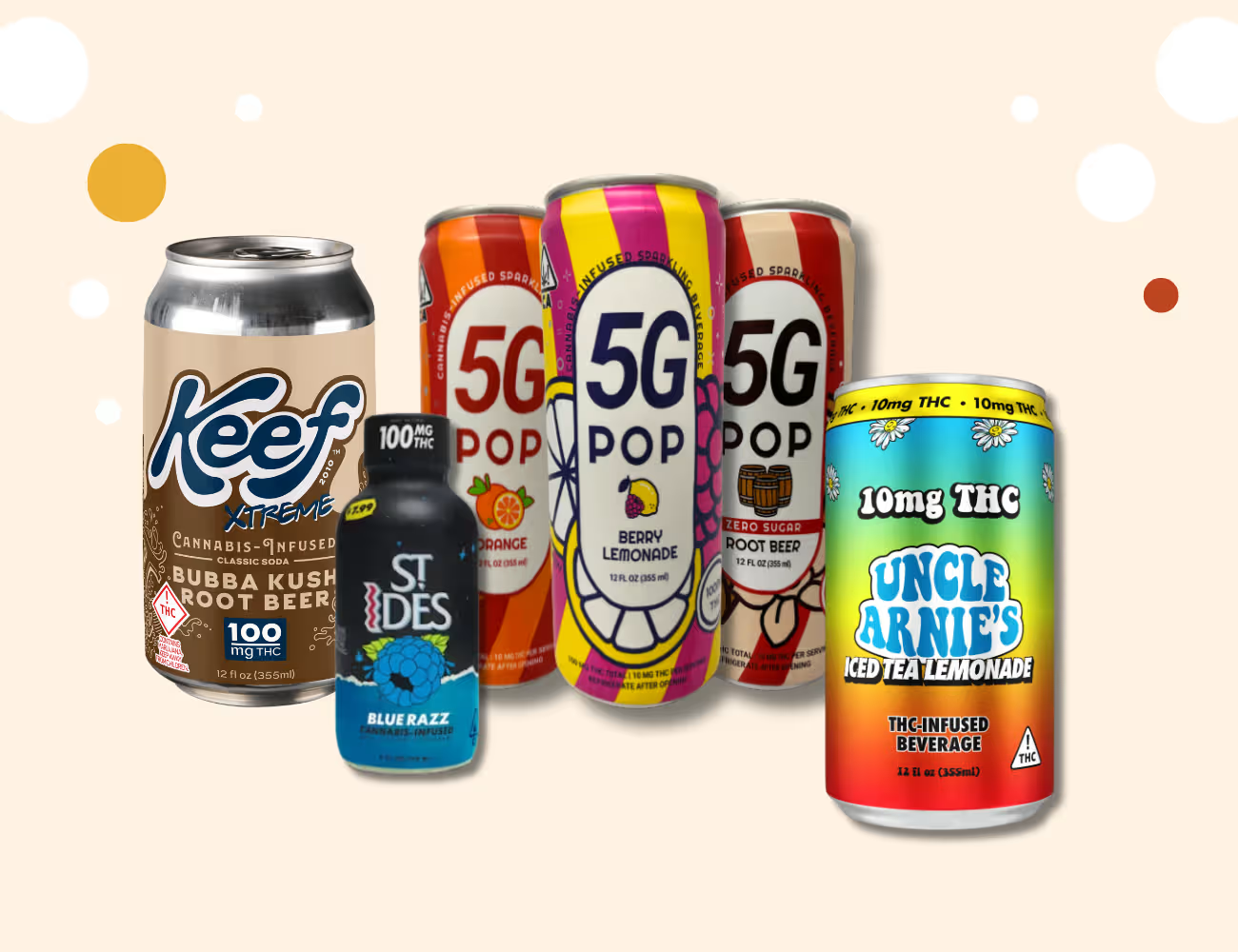
THC drinks appeal to those who want a lighter, more social-feeling experience. Sipped slowly, they can pair well with relaxed creative activities like journaling, music listening, or collaborative idea sessions without feeling abrupt or overwhelming.
Helpful tip:
Matching the format to the length and style of your creative session can make a noticeable difference. Short bursts, long projects, and open-ended exploration all benefit from different pacing, so choosing the right format can help creativity flow more naturally.
Creativity thrives in balance. Too little stimulation can feel uninspiring, while too much can derail focus. Many people find success by starting with very small amounts and adjusting slowly.
Helpful questions to ask yourself:
Your answers can guide smarter strain and format choices.
One of the most important things to remember is that creativity is deeply personal. What helps one person settle into a creative groove might feel distracting or unnecessary to someone else. There isn’t a single formula for creativity, and cannabis fits into that equation differently for everyone.
Some people like to use cannabis during the early idea phase, when brainstorming feels more open and playful. Others prefer it during hands-on execution, when they’re drafting, designing, or working through details.
The key is paying attention to what actually supports your creative flow. That might mean experimenting with different strain styles, formats, or timing. There’s no right or wrong approach, only what aligns with your process, your goals, and the kind of creativity you’re trying to tap into.
Disclaimer: the information provided in this document is for informational purposes only and is not intended as a substitute for professional medical advice, diagnosis, or treatment.
.avif)



.png)
.png)

.png)
.png)

.png)


%20%20(1).avif)


%20.png)




.avif)
.avif)
%20(4).avif)

.avif)
.avif)
.avif)


.avif)






%20(1).avif)


%20(4).png)

.avif)



.avif)